Last Updated on June 14, 2026 by Ellen
Learn why building the right solution starts with understanding the right problem. Read my review of The Problem-First Method by Kevin Scott Dias, a practical guide for entrepreneurs, SaaS founders, and product teams.
Posts may be sponsored. This post contains affiliate links, which means I will make a commission at no extra cost to you should you click through and make a purchase. As an Amazon Associate I earn from qualifying purchases.
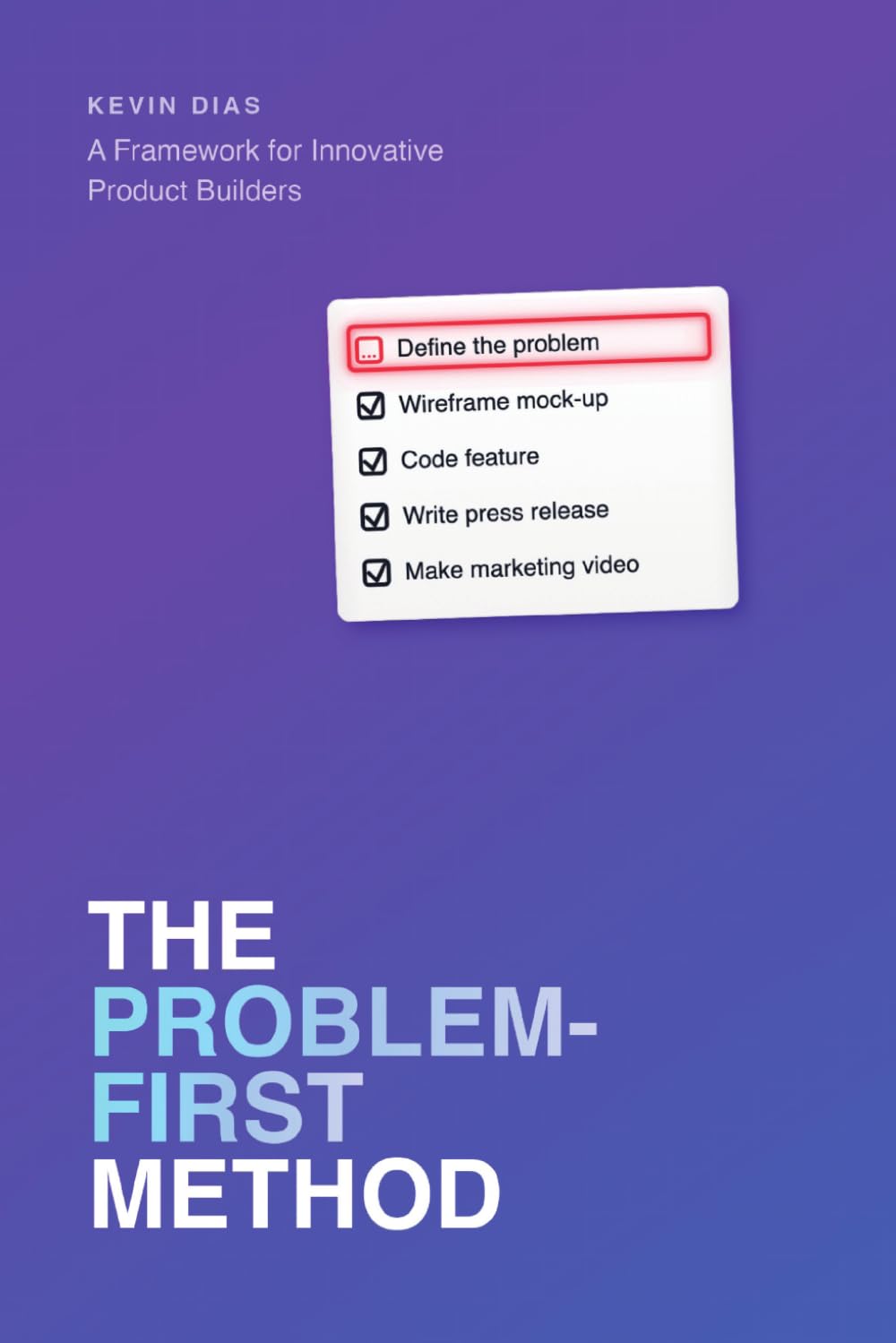
The Problem-First Method by Kevin Scott Dias: A Must-Read for Product Builders and Entrepreneurs
In today’s fast-moving business world, it’s easy to become obsessed with features, trends, and what competitors are doing. Many entrepreneurs and product builders feel pressure to launch new functionality quickly, believing that keeping up with the market is the key to success.
But what if the real danger isn’t moving too slowly? What if it’s building the wrong thing altogether?
In The Problem-First Method: A Framework for Innovative Product Builders, Kevin Scott Dias shares hard-earned lessons from years of building software products and navigating the challenges of product development. Rather than offering theoretical advice, Dias presents a practical framework designed to help teams focus on solving real customer problems before jumping into solutions.
What This Book Is About
The foundation of The Problem-First Method comes from a costly mistake. Faced with competitive pressure, Dias and his team rushed to build an Autopay feature after repeatedly hearing prospects ask for it. The feature launched successfully—but it failed to deliver meaningful results.
The reason? They solved the wrong problem.
This experience became the catalyst for developing a disciplined approach to product development centered on understanding customer needs before investing time, money, and resources into building solutions.
Throughout the book, Dias demonstrates how even experienced teams can become trapped by assumptions, competitor comparisons, and customer requests that seem obvious on the surface but don’t address underlying challenges.
Practical Frameworks You Can Actually Use
One of the strongest aspects of this book is its focus on actionable processes rather than abstract concepts.
Readers are introduced to several tools and frameworks designed to make problem-first thinking repeatable, including:
- The Feature Alignment Document
- The 10-Question Validation Checklist
- The Problem Atlas methodology
- Techniques for distinguishing symptoms from root problems
- Methods for evaluating customer requests more effectively
These frameworks help teams slow down just enough to validate assumptions before committing to major development efforts.
For founders, freelancers, software developers, and startup operators, these tools provide a structured way to avoid expensive mistakes while making smarter product decisions.
Lessons From Real-World Experience
Unlike many business books that rely heavily on success stories from billion-dollar companies, Dias draws from his experiences building Ambiki, a specialized SaaS platform serving pediatric therapy practices.
This perspective makes the book refreshingly relatable.
Readers won’t find unrealistic advice based on massive budgets or huge teams. Instead, they’ll encounter examples from a growing business that faced resource constraints, difficult decisions, and the everyday realities most entrepreneurs understand.
One particularly interesting story involves the development of a teletherapy platform shortly before COVID transformed healthcare delivery. The experience highlights the value of understanding customer problems deeply enough to recognize opportunities before they become obvious.
Why This Message Matters Today
The rise of AI tools, no-code platforms, and rapid software development has made building products easier than ever.
Ironically, that makes problem identification even more important.
When creating new features takes days instead of months, businesses can waste enormous amounts of effort shipping solutions nobody actually wants. Teams often mistake activity for progress, adding functionality simply because they can.
Dias repeatedly emphasizes that successful innovation isn’t about building more things—it’s about solving meaningful problems.
That message applies far beyond software development. Bloggers, content creators, consultants, coaches, e-commerce sellers, and online entrepreneurs can all benefit from learning how to identify genuine customer pain points before investing resources into new projects.
My Review
I found The Problem-First Method to be an insightful and highly practical business book that cuts through much of the noise surrounding product development.
What stands out most is the author’s honesty. Kevin Scott Dias doesn’t position himself as a startup celebrity with a collection of billion-dollar exits. Instead, he openly shares mistakes, lessons learned, and the uncomfortable realities of building products in competitive markets.
The book offers a balanced mix of storytelling and actionable frameworks, making it useful for both experienced product managers and first-time entrepreneurs.
I especially appreciated the emphasis on discipline. Most business leaders understand that customer problems matter, but this book explains why it’s so difficult to resist jumping directly to solutions—and provides concrete methods for avoiding that trap.
If you’ve ever launched a feature, product, service, or content project that failed to gain traction despite significant effort, you’ll likely recognize many of the situations described throughout the book.
Overall, I would recommend The Problem-First Method to entrepreneurs, SaaS founders, product managers, startup teams, consultants, and anyone responsible for making decisions about what to build next.
 About the Author
I didn’t set out to build software for speech therapists. Before joining Sidekick Therapy Partners as CTO, I built tools for professional translators, taught English in Japan, and worked in investment banking. The industries changed, but the pattern didn’t: I had a knack for understanding and solving problems.
At Sidekick, I expected to build another workflow tool. Instead, I found therapists spending more time documenting sessions than working with kids. The available EMR systems weren’t designed for them—they were retrofitted and bloated, full of features that shone in demos but collapsed under real clinical work.
So we started with the problem, not the feature list. That question—what’s actually broken here, and why?—led to Cue, the EMR that helped Sidekick grow from 70 to more than 180 clinicians in three years. It led to Ambiki, where we’ve kept the same discipline.
This book is the result of learning one lesson over and over: start with the problem, and everything else gets easier.
I live in Oyama, Japan with my wife and three sons. When I’m not building software, I’m probably losing at my own board game, Cooperation Cube, or teaching my kid the physics of a good wiffleball curveball.
Conclusion
The Problem-First Method delivers an important reminder for today’s builders: the greatest risk isn’t building something poorly—it’s building the wrong thing exceptionally well.
Kevin Scott Dias provides readers with practical frameworks, relatable stories, and a repeatable system for identifying meaningful customer problems before investing resources into solutions.
For anyone looking to make better product decisions, avoid costly development mistakes, and create offerings that truly serve customer needs, this book offers valuable guidance grounded in real-world experience.
It’s an excellent addition to the bookshelf of any entrepreneur or product professional who wants to build smarter rather than simply build faster. Get it here

Ellen is a serial entrepreneur who owns 9 profitable blogs, two printable stores, an online vintage jewelry business, and a variety of other work at home endeavors. She shares tips for working at home successfully.