Last Updated on August 6, 2026 by Ellen
One of the biggest misconceptions about reselling is that successful sellers somehow know the value of every item they see. The truth is much simpler. Experienced resellers don’t rely on luck—they follow a process.
Posts may be sponsored. This post contains affiliate links, which means I will make a commission at no extra cost to you should you click through and make a purchase. As an Amazon Associate I earn from qualifying purchases.
Whether you’re shopping at thrift stores, garage sales, estate sales, clearance aisles, or flea markets, learning how to evaluate an item’s resale potential is one of the most valuable skills you can develop. The good news is that this skill can be learned with practice.
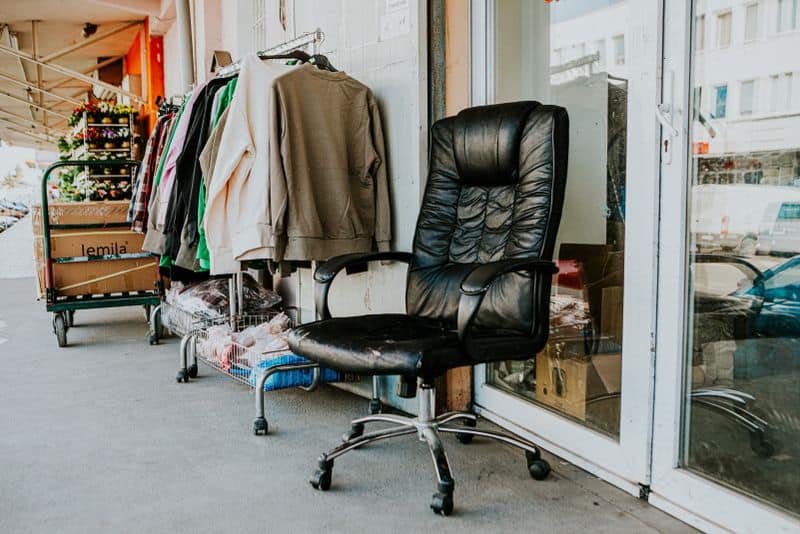
In this guide, you’ll discover the key factors that help determine whether an item is worth buying for resale. These principles apply whether you sell on eBay, Facebook Marketplace, Mercari, Etsy, or another online marketplace.
Start With Demand, Not Price
Many beginners make the mistake of buying something simply because it’s cheap.
A $2 item isn’t a bargain if no one wants to buy it.
Instead of asking, “How inexpensive is this?” ask yourself, “Who would want to buy this?”
Items typically sell well because they fall into one of these categories:
- They solve a problem.
- They replace something people already own.
- They are collectible.
- They are difficult to find.
- They are made by a trusted brand.
- They are seasonal and in demand.
The most successful resellers focus on products people are actively searching for rather than products that merely have a low price tag.
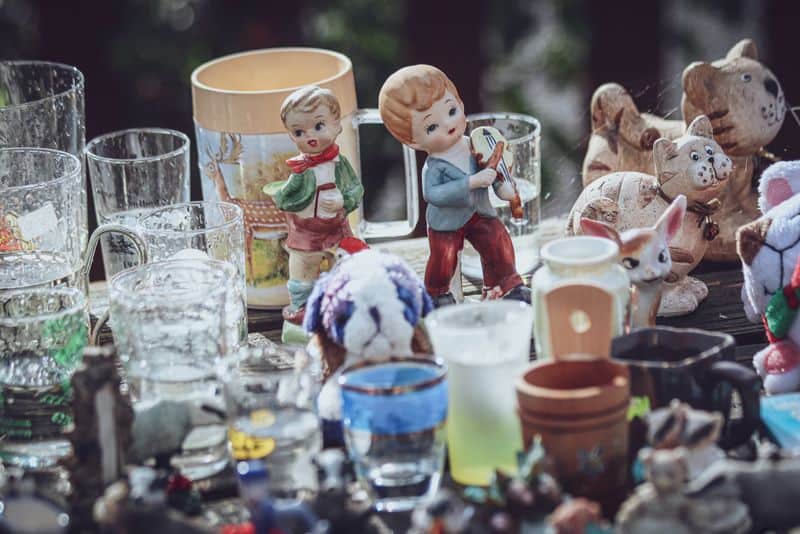
Learn to Recognize Quality Brands
Brands matter because they often signal quality, durability, and customer trust.
You don’t need to memorize thousands of brands overnight. Instead, become familiar with a handful of respected names in categories you enjoy shopping.
For example:
Kitchen
- KitchenAid
- Le Creuset
- All-Clad
- Lodge
- Pyrex
- CorningWare
Outdoor Gear
- Patagonia
- YETI
- Osprey
- Coleman
Tools
- Milwaukee
- DeWalt
- Makita
- Craftsman
Toys and Games
- LEGO
- Ravensburger
- Brio
- Fisher-Price (vintage pieces can be especially desirable)
As your knowledge grows, you’ll begin recognizing quality items even before you look them up.
Condition Is Everything
Two identical products can have very different resale values depending on their condition.
Before purchasing an item, inspect it carefully.
Look for:
- Chips or cracks
- Missing pieces
- Broken zippers
- Rust
- Stains
- Odors
- Water damage
- Loose parts
- Repairs
- Excessive wear
Original packaging, instruction manuals, accessories, and unopened parts often increase an item’s value.
Being honest about condition also helps build trust with future buyers.
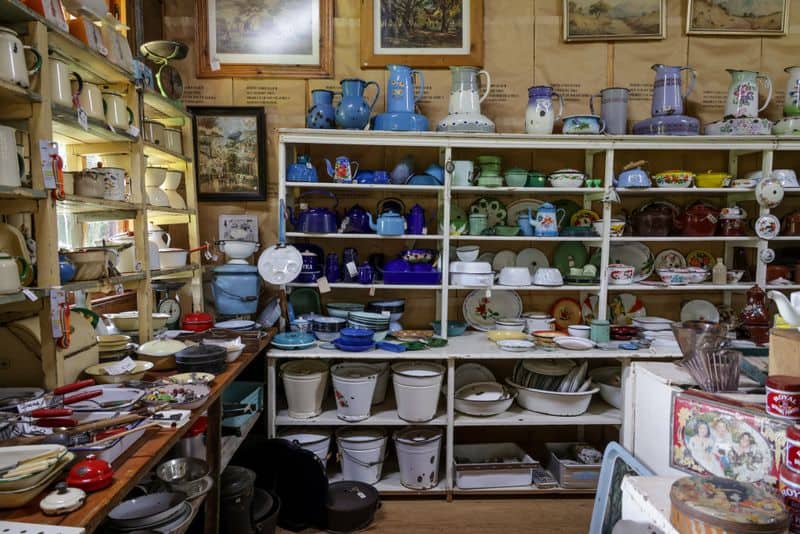
Rare Doesn’t Always Mean Valuable
One of the biggest myths in reselling is that old or rare automatically means expensive.
Unfortunately, that’s not how the market works.
An item can be extremely rare and still have very little value if collectors aren’t interested in it.
On the other hand, some common household products sell quickly because they’re constantly being replaced.
Value is determined by a combination of scarcity and demand. The sweet spot is finding items that are both difficult to find and actively sought after.
Think About Shipping Before You Buy
It’s easy to get excited about finding a unique item, but don’t forget to consider what happens after it sells.
Ask yourself:
- Is it heavy?
- Is it oversized?
- Is it fragile?
- Will it require special packing materials?
- Can it be shipped safely?
Large or fragile items may still be worth buying, but they often require additional time, materials, and shipping costs that reduce your profit.
Smaller items that are easy to package are often better choices for beginners.
Calculate Your Potential Profit
Never assume that a high selling price means high profits.
Before purchasing an item, estimate your expenses.
Think about:
- Purchase price
- Marketplace fees
- Shipping costs
- Packing supplies
- Time spent cleaning or testing the item
After subtracting these costs, ask yourself if the remaining profit is worth your time.
Experienced resellers make buying decisions based on profit, not selling price.
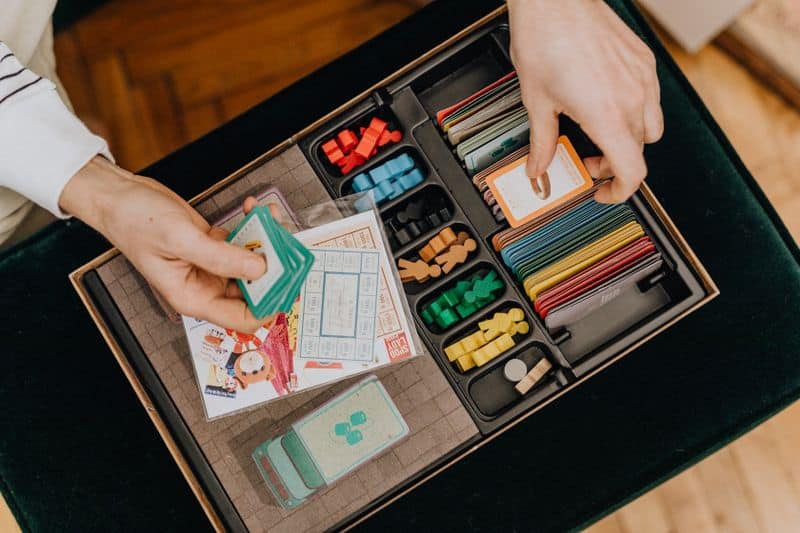
Research Before You Buy
One of the greatest advantages today’s resellers have is the ability to research items before making a purchase.
Even experienced sellers look things up regularly.
Research helps answer important questions such as:
- Does this item sell consistently?
- Is this model desirable?
- Are there different versions?
- Is this complete?
- Have prices remained stable?
The more often you research products, the faster you’ll recognize valuable items in the future.
Categories That Often Hold Their Value
While every product is different, certain categories consistently attract buyers.
These include:
- Board games
- LEGO sets
- Cast iron cookware
- Quality kitchen appliances
- Vintage Christmas decorations
- Power tools
- Collectible mugs
- Video games
- Brand-name shoes
- Outdoor gear
- Sewing machines
- Cameras and lenses
- Vinyl records
- Quality hand tools
If you’re just getting started, choose one or two categories that genuinely interest you. Becoming knowledgeable in a specific niche is often more profitable than trying to learn everything at once.
Categories Beginners Should Approach Carefully
Some items can be profitable, but they also come with added risks.
These include:
- Large furniture
- Broken electronics
- Exercise equipment
- Cheap fast-fashion clothing
- Baby safety equipment
- Mattresses
- Extremely fragile collectibles
These products may require additional expertise, expensive shipping, or extensive testing.
As your experience grows, you’ll be better equipped to decide whether these categories fit your business.
Learn to Spot Red Flags
Successful resellers don’t just know what to buy—they also know when to walk away.
Be cautious if you notice:
- Missing essential parts
- Strong smoke or mildew odors
- Cracks that affect functionality
- Excessive repairs
- Counterfeit or imitation products
- Heavy rust or corrosion
- Significant water damage
Passing on a questionable item often saves more money than making a risky purchase.
Build Knowledge One Category at a Time
The fastest way to improve as a reseller isn’t by buying more inventory—it’s by learning more.
Choose a category that interests you, such as board games, cookware, books, tools, or toys. Learn the brands, understand what buyers look for, recognize common defects, and pay attention to pricing patterns.
Over time, you’ll begin spotting opportunities that other shoppers overlook.
Remember, experienced resellers weren’t born knowing what every item was worth. They simply built their knowledge one product category at a time.
Final Thoughts
Finding profitable items isn’t about luck. It’s about asking the right questions before you buy.
Focus on demand rather than low prices, learn to recognize quality brands, inspect condition carefully, estimate your profit, and continue building your knowledge with every shopping trip.
The more products you evaluate, the more confident you’ll become. Eventually, you’ll start recognizing valuable opportunities almost instinctively—a skill that can help you succeed whether you’re reselling as a side hustle or building a full-time business.
Continue Building Your Reseller’s Toolbox
If you’re interested in learning more about reselling, be sure to explore these related guides:
- How to Flip Board Games for Profit
- Retail Arbitrage for Beginners
- Beginner’s Guide to Product Flipping
- Best Places to Find Inventory to Resell

Ellen is a serial entrepreneur who owns 9 profitable blogs, two printable stores, an online vintage jewelry business, and a variety of other work at home endeavors. She shares tips for working at home successfully.